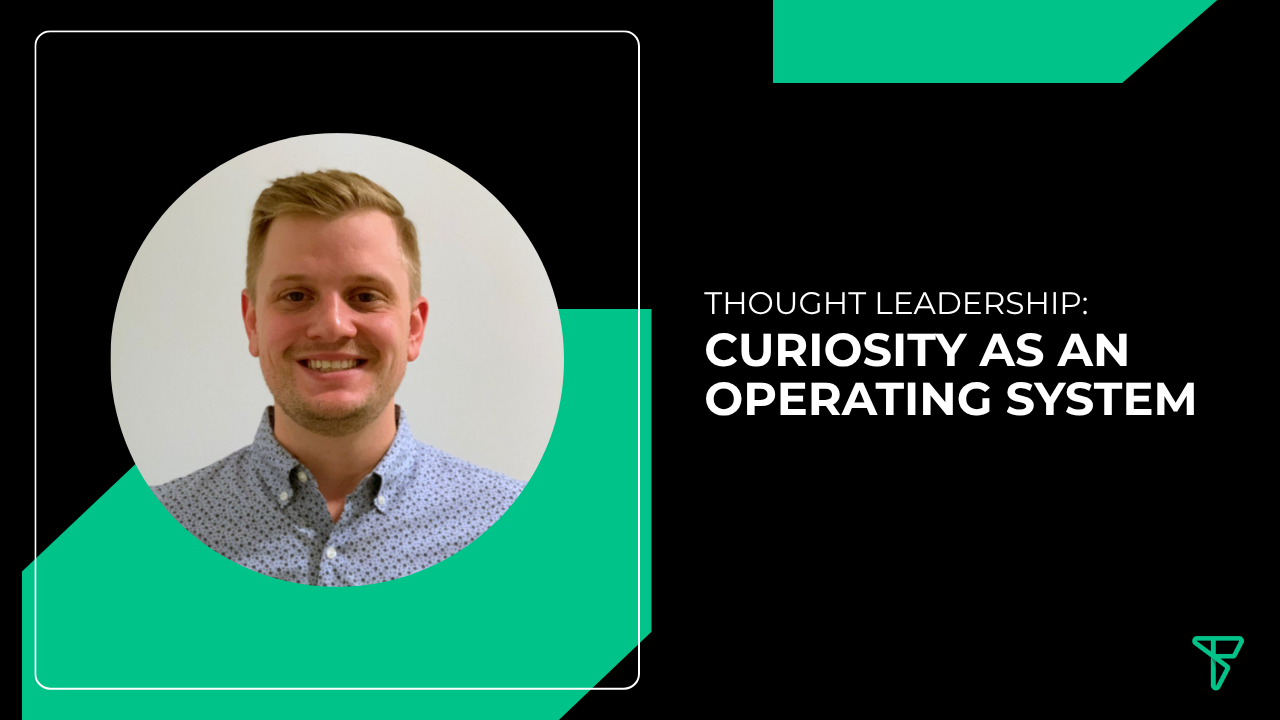
I’ve spent my career sitting between two worlds: the questions publishers ask, and the systems that actually answer them. That gap, between business need and technical reality, has shaped how I think about operations, leadership, and what it really means to support publishers at scale.
At Freestar, that perspective shows up everywhere: how we onboard publishers, how we support them day to day, how we think about yield, and, increasingly, how we bring AI into the workflow without turning it into noise.
My Journey to Freestar—From Spreadsheets to Systems Thinking
I didn’t start in adtech. I studied accounting and began my career there, before a friend pulled me into a junior yield role at OpenX with a simple pitch: You’re good at spreadsheets. I began translating what I saw into conversations publishers could use.
Sitting next to engineers, I kept asking questions—What’s behind this number? How does this actually work? How can I make this process easier for you?—until I could connect the numbers to the systems behind them. That curiosity pushed me toward a more technical path at Sharethrough, where I moved into support engineering.
I joined Freestar in 2020, at a moment when a lot of companies were pulling back. Freestar paused briefly to get its bearings, then continued hiring, and that told me a lot about the company’s steadiness under pressure. The people I met were curious and engaged, and I loved being around that kind of momentum. What’s more, the role itself sat closer to publishers and the open internet than anything I had done before. That combination made it an easy decision.
Operations Is the Engine (Even When You Don’t See It)
When I joined, the company was small relative to the work it was doing. It felt like a rocket ship, but also one that needed stronger operational foundations to sustain that growth.
Today, my team spans onboarding, publisher support, customer success, and yield. I think of it as the engine behind the business, but responsible for everything running smoothly:
- Onboarding is about getting publishers live quickly, without friction
- Publisher support is the day-to-day problem solving and technical guidance
- Customer success is building long-term partnerships and aligning on goals
- Yield ensures we’re driving as much revenue as possible, proactively
My leadership default is trust, backed by useful context. I try to tell leaders what we’re solving, why it’s important, what constraints exist, and what “better” looks like, then I want them to run. Scaling forced me to let go of being the person who knows every detail, because that becomes a bottleneck. The healthier path is to hire people who are better than me at the details, support managers who can keep the group aligned, and focus my time on removing friction.
“Publisher First” Isn’t One-Size-Fits-All
In adtech, “Publisher First” gets said a lot. In practice, it only works if you accept that all publishers are fundamentally different. Some treat programmatic as supplemental revenue, and others rely on it as the primary engine that pays the bills. Some want a lot of hands-on help, and some want a lighter touch and clear answers when needed. If you treat them all the same, you end up offering generic help that misses what the publisher actually needs.
Being “Publisher First” also means being consultative without pretending we’re the publisher. Our job is not to tell someone how to run their editorial team or their business, but to be excellent at the hard parts inside our circle of responsibility.
That can mean removing onboarding friction, solving configuration issues, answering performance questions clearly, and helping teams make decisions they can defend. Sometimes the most helpful thing is to be direct and push a publisher out of a comfortable pattern that’s holding them back.
AI That Sticks Is Built From the Bottom Up
I’m skeptical of top-down AI rollouts that start with a tool and then go hunting for a problem. In my experience, the best AI work starts with the people doing the work naming what slows them down, where mistakes happen, and what would actually save time. That’s why we invested in an internal champions approach that gathers direct feedback from teams, then turns the best ideas into practical improvements.
Across operations, we’ve treated AI as a multiplier more often than a replacement. When the work is complex, a tool that gives you a strong starting point can be more valuable than a tool that tries to fully automate the outcome, and it keeps responsibility clear.
Some of our most useful wins have been small, like AI-assisted help inside ticket workflows that can draft a starting response or suggest an investigation path, so a teammate can verify quickly and resolve issues with more confidence. I also use AI as a translation layer, because my role often sits between technical detail and executive-level clarity. If I can get to a decision-ready version faster, the team moves faster, too.
That mindset also shows up in how we think about products. One example is Freestar’s adblock recovery solution. We were working with a vendor where the value was hard to measure and the product didn’t quite align with what publishers actually needed. Instead of accepting that tradeoff, we stepped back, asked better questions, and built something simpler, more transparent, and more aligned with how publishers actually operate. We also made sure they could control how the message shows up to their users, because that relationship matters more than any single tool.
It’s a good example of what happens when you stay close to the problem and let curiosity drive the solution. In the next post, I’ll break down how that thinking reshaped our approach to ad block recovery, and why it works.
If you’re thinking about how to approach publisher monetization or ad block recovery in your own stack, I’d love to compare notes.